Inside flowers, Microfluidics!
Explore the movement of water – on the micro-scale!
Water moving through a garden hose or up a straw are common and easy to see examples of fluid flowing in a channel (macroscopic). On the other hand, microfluidics is the flow of very small volumes of liquid (that can be less than a droplet!) through channels that are only a fraction of a millimeter wide. Such thin channels are abundant in biology and play important roles in transporting fluid in living organisms, e.g., around the body (capillaries are the smallest blood vessels) and in plants (water travels in tiny channels from the roots, up the stem and to the tips of the leaves).
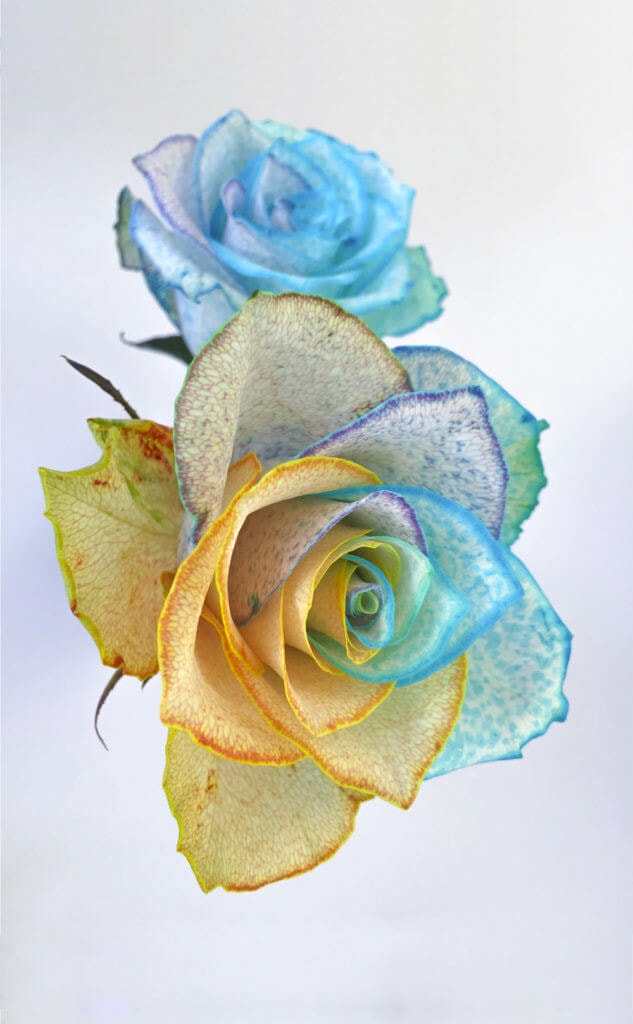
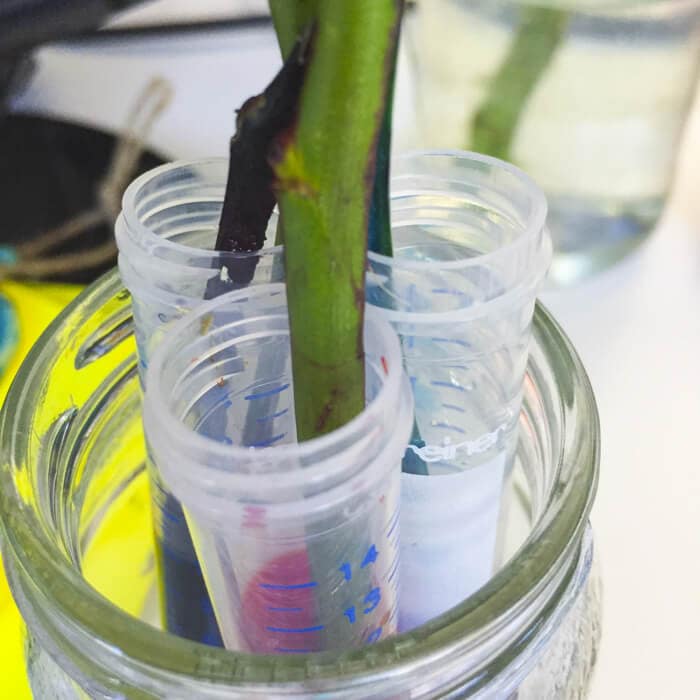
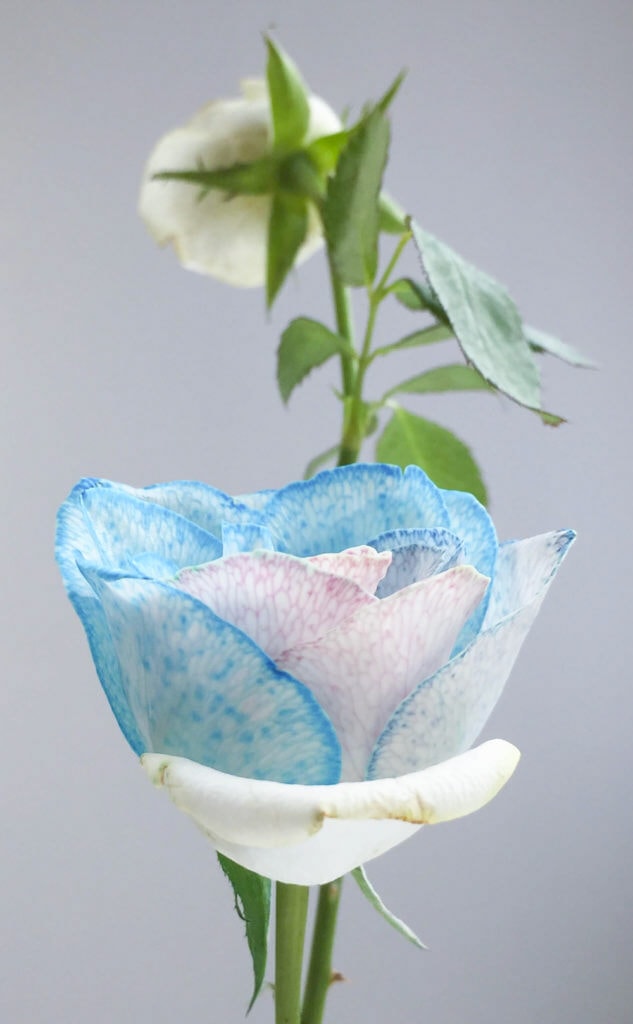
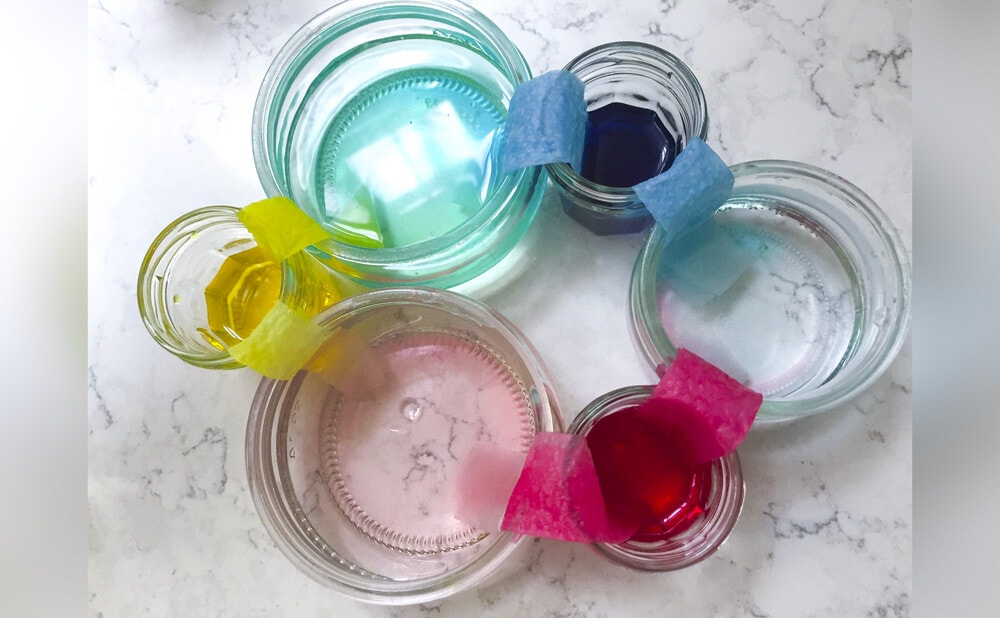
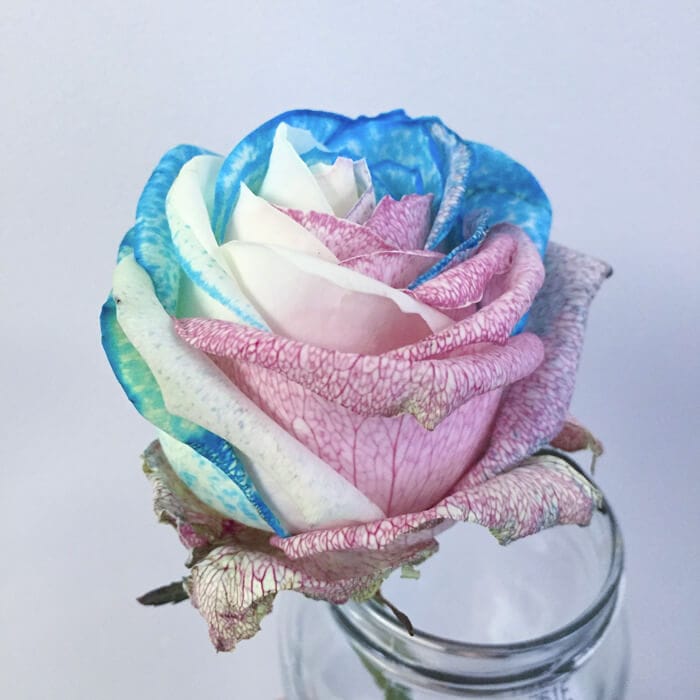
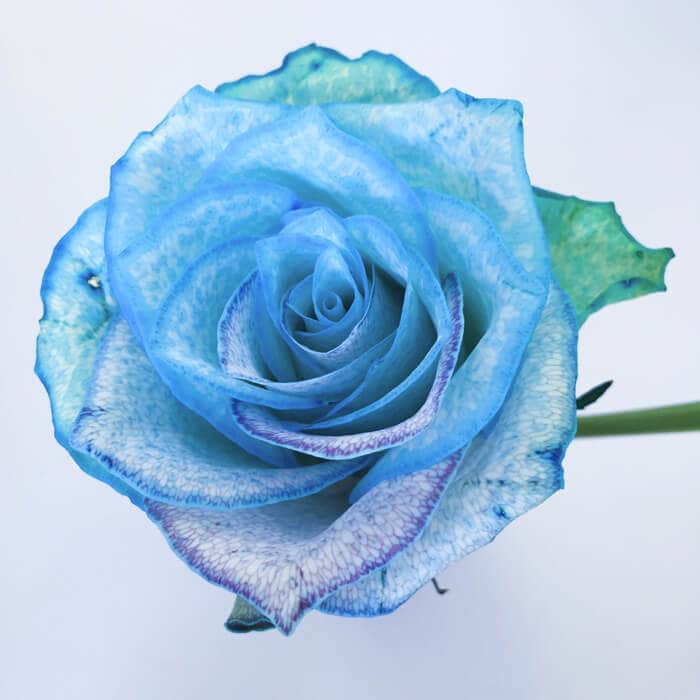
Flow on the micro-scale can be hard to see! A classic tool to help visualise very small channels and the fluid inside is food dye. For example, the small channels in plants are visible in the cut end of a celery stalk after soaking in water mixed with food dye. A similar experiment can be done using flowers with some fun results.

 Job
Job Collaborations
 Customer
 Other
Other