Microfluidic reviews
Flow control stability measurement and comparisons

The performance of your microfluidic flow control instruments depends on your experimental conditions (tank volume, output pressure, computer configuration, operating system, microfluidic setup… ). Our microfluidic specialists will gladly advise you on choosing the best equipment for your needs.
OB1 MkII Piezo technology VS. Electromechanic technology
OB1 MkII typical stability*: 0.005% s.d.

Pressure stability over time at 150 mBar OB1 200 mBar output (2 mL output volume) and electro-mechanical technology (2 mL output volume). Real output pressure stability measured at 150 mBar with an external high accuracy pressure sensor (Druck DPI150)
* Short term stability measured for 1 min with a high accuracy sensor (Druck DPI150), excluding long term drift due to aging and environmental factor variations.
OB1 MkII stability- Real output pressure and internal pressure sensor
For demanding microfluidic researchers, maintaining a stable flow in their chip is essential – the pressure stability in a microchip is directly related to flow stability in the microchannel.
With the OB1, you will get a flow stability that is 20 times higher than other existing technologies available for microfluidic research (0.005% of the full scale).
Note that the pressure value which is displayed in your Elveflow software provides a visual indicator of the applied pressure changes.
The OB1 MKII internal pressure sensor used by the Elveflow software to display pressure has an additional electronic noise (0.05%) which does not rely on a real output pressure variation. As shown in the figure below, pressure noise in your microfluidic device will be 10 times less than the pressure displayed in your Elveflow interface.

* Output Stability measured at 150 mBar with an external high accuracy pressure sensor (Druck DPI150) simultaneously displayed with the Elveflow interface monitoring.
For more information or Technical discussion

Microfluidics knowledge
Do you want tips on how to best set up your microfluidic experiment? Do you need inspiration or a different angle to take on your specific problem? Well, we probably have an application note just for you, feel free to check them out!
-
 reviews
Microfluidics for Enhanced Oil Recovery studies
Explore how microfluidics is advancing Enhanced Oil Recovery (EOR) research, from fluid rheology to foam-based injection and nanoparticle suspensions.
 reviews
Microfluidics in Cosmetic Research: Improved Formulations and Smarter Testing
Explore how microfluidics is revolutionizing cosmetic research from formulation to toxicology with ethical, precise, and scalable testing.
 reviews
Microfluidics for the diagnosis and treatment of tuberculosis
Microfluidics for the diagnosis and treatment of tuberculosis
 reviews
Acoustofluidics: Cutting-Edge Techniques for Microfluidic Particle Manipulation
Revolutionizing Microfluidics with Acoustic Particle Manipulation
-
 reviews
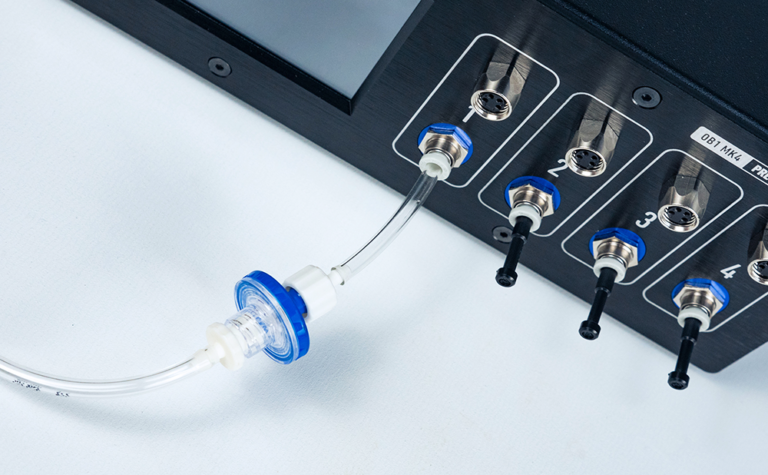
Flow control in microfluidics device
There are three main classes of systems to control liquid motion in microfluidic and nanofluidic devices.
 reviews
Microfluidic low-flow liquid flow meters: a review
Microfluidic low-flow Liquid flow meters are a compulsory element of microfluidic systems requiring a control of the sample volume dispensed and/or, obviously, the sample flow rate.
 reviews
Microfluidic T-junction
This short note will introduce you to the key takeways about microfluidic T junction among other microfluidic junctions.
 reviews
Fluid mixing
Fluid mixing at microscale is of importance for many fields of application. This short review summarises the key takeaway aspects of fluid mixing at microscale.
-
 reviews
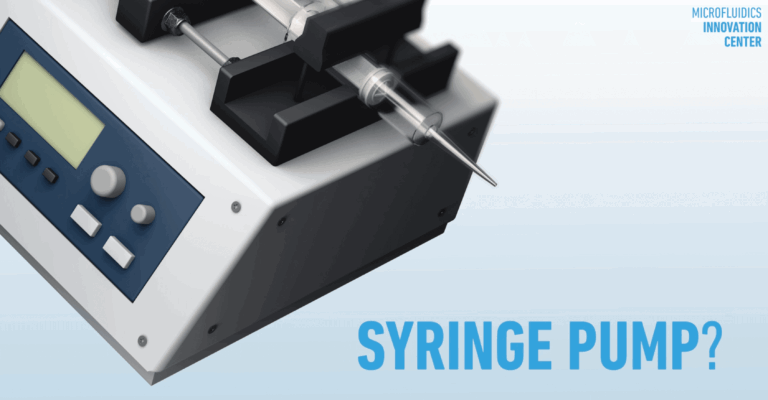
Syringe pumps and microfluidics
In the past two years, several new microfluidic syringe pump systems have changed the use of syringe pumps in microfluidic experiments.
 reviews
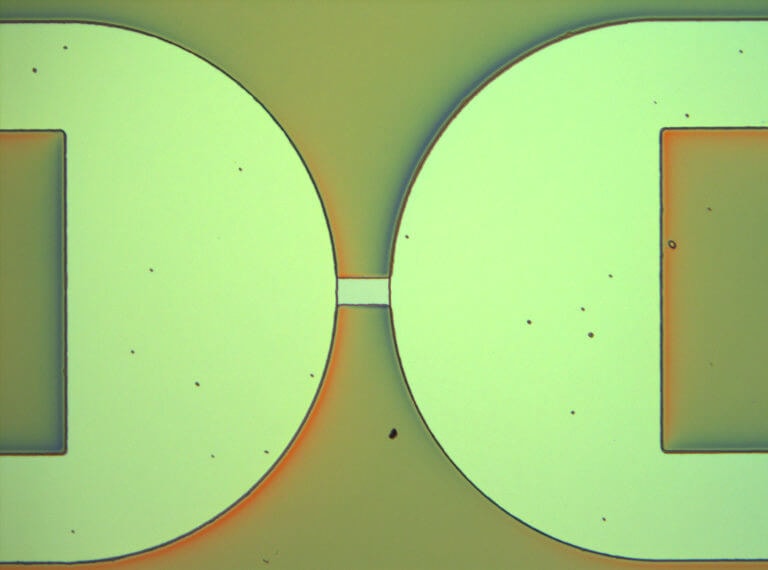
Magnetic particle separation : a short review
This review presents a few examples of applications where magnetic flux sources, magnetic particles and microfluidics are combined in order to perform particle sorting and handling.
 reviews
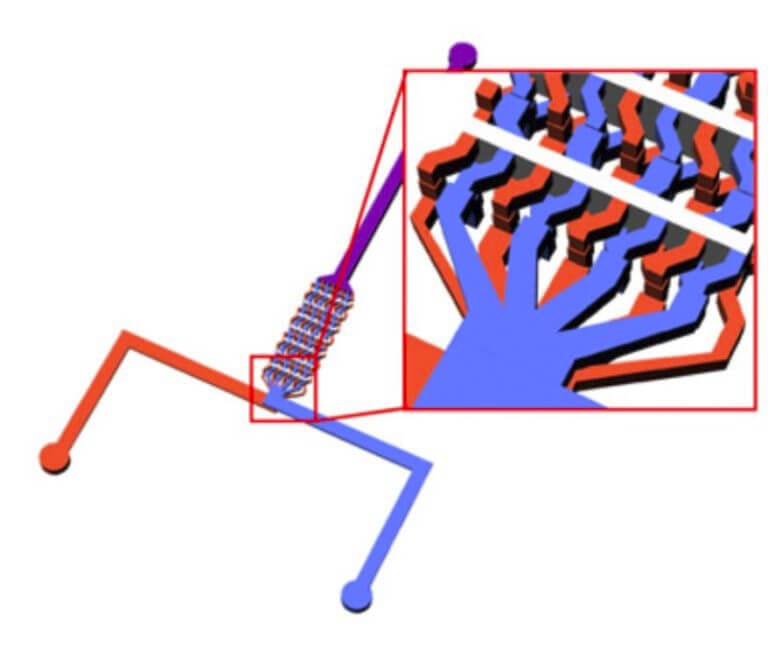
Microfluidic mixers : a short review
In microfluidic laminar flows, traditional turbulent mixing between two liquids cannot occur. However, controllable and fast mixing is critical for microfluidic and lab-on-chip devices. So different mixing techniques were developed and are here presented.
 reviews
Researchers’ opinion on flow control for microfluidics
One of the great challenges for researchers using microfluidics is miniaturizing analysis processes in very small microchip.
-
 reviews
Responsiveness of flow control instruments
Microfluidic flow controllers are designed to control flows in microfluidic chips.
 reviews
Tricks and Tips to Enhance your Microfluidic Flow Control
Despite their sturdiness & simplicity, syringe pumps are often problematic in microfluidics.
-
reviews
Microfluidics for Enhanced Oil Recovery studies
Explore how microfluidics is advancing Enhanced Oil Recovery (EOR) research, from fluid rheology to foam-based injection and nanoparticle suspensions.
reviews
Microfluidics in Cosmetic Research: Improved Formulations and Smarter Testing
Explore how microfluidics is revolutionizing cosmetic research from formulation to toxicology with ethical, precise, and scalable testing.
-
reviews
Microfluidics for the diagnosis and treatment of tuberculosis
Microfluidics for the diagnosis and treatment of tuberculosis
reviews
Acoustofluidics: Cutting-Edge Techniques for Microfluidic Particle Manipulation
Revolutionizing Microfluidics with Acoustic Particle Manipulation
-
reviews
Flow control in microfluidics device
There are three main classes of systems to control liquid motion in microfluidic and nanofluidic devices.
reviews
Microfluidic low-flow liquid flow meters: a review
Microfluidic low-flow Liquid flow meters are a compulsory element of microfluidic systems requiring a control of the sample volume dispensed and/or, obviously, the sample flow rate.
-
reviews
Microfluidic T-junction
This short note will introduce you to the key takeways about microfluidic T junction among other microfluidic junctions.
reviews
Fluid mixing
Fluid mixing at microscale is of importance for many fields of application. This short review summarises the key takeaway aspects of fluid mixing at microscale.
-
reviews
Syringe pumps and microfluidics
In the past two years, several new microfluidic syringe pump systems have changed the use of syringe pumps in microfluidic experiments.
reviews
Magnetic particle separation : a short review
This review presents a few examples of applications where magnetic flux sources, magnetic particles and microfluidics are combined in order to perform particle sorting and handling.
-
reviews
Microfluidic mixers : a short review
In microfluidic laminar flows, traditional turbulent mixing between two liquids cannot occur. However, controllable and fast mixing is critical for microfluidic and lab-on-chip devices. So different mixing techniques were developed and are here presented.
reviews
Researchers’ opinion on flow control for microfluidics
One of the great challenges for researchers using microfluidics is miniaturizing analysis processes in very small microchip.
-
reviews
Responsiveness of flow control instruments
Microfluidic flow controllers are designed to control flows in microfluidic chips.
reviews
Tricks and Tips to Enhance your Microfluidic Flow Control
Despite their sturdiness & simplicity, syringe pumps are often problematic in microfluidics.
-
reviews
How to choose the right microfluidic flow control system?
What are the strengths and weaknesses of each type of microfluidic flow control system? Pressure controller, syringe pump...?
-
reviews
Microfluidics for Enhanced Oil Recovery studies
Explore how microfluidics is advancing Enhanced Oil Recovery (EOR) research, from fluid rheology to foam-based injection and nanoparticle suspensions.
-
reviews
Microfluidics in Cosmetic Research: Improved Formulations and Smarter Testing
Explore how microfluidics is revolutionizing cosmetic research from formulation to toxicology with ethical, precise, and scalable testing.
-
reviews
Microfluidics for the diagnosis and treatment of tuberculosis
Microfluidics for the diagnosis and treatment of tuberculosis
-
reviews
Acoustofluidics: Cutting-Edge Techniques for Microfluidic Particle Manipulation
Revolutionizing Microfluidics with Acoustic Particle Manipulation
-
reviews
Flow control in microfluidics device
There are three main classes of systems to control liquid motion in microfluidic and nanofluidic devices.
-
reviews
Microfluidic low-flow liquid flow meters: a review
Microfluidic low-flow Liquid flow meters are a compulsory element of microfluidic systems requiring a control of the sample volume dispensed and/or, obviously, the sample flow rate.
-
reviews
Microfluidic T-junction
This short note will introduce you to the key takeways about microfluidic T junction among other microfluidic junctions.
-
reviews
Fluid mixing
Fluid mixing at microscale is of importance for many fields of application. This short review summarises the key takeaway aspects of fluid mixing at microscale.
-
reviews
Syringe pumps and microfluidics
In the past two years, several new microfluidic syringe pump systems have changed the use of syringe pumps in microfluidic experiments.
-
reviews
Magnetic particle separation : a short review
This review presents a few examples of applications where magnetic flux sources, magnetic particles and microfluidics are combined in order to perform particle sorting and handling.
-
reviews
Microfluidic mixers : a short review
In microfluidic laminar flows, traditional turbulent mixing between two liquids cannot occur. However, controllable and fast mixing is critical for microfluidic and lab-on-chip devices. So different mixing techniques were developed and are here presented.
-
reviews
Researchers’ opinion on flow control for microfluidics
One of the great challenges for researchers using microfluidics is miniaturizing analysis processes in very small microchip.
-
reviews
Responsiveness of flow control instruments
Microfluidic flow controllers are designed to control flows in microfluidic chips.
-
reviews
Tricks and Tips to Enhance your Microfluidic Flow Control
Despite their sturdiness & simplicity, syringe pumps are often problematic in microfluidics.
-
reviews
How to choose the right microfluidic flow control system?
What are the strengths and weaknesses of each type of microfluidic flow control system? Pressure controller, syringe pump...?

 Job
 Collaborations
 Customer
 Other