
For more information or Technical discussion

Microfluidics knowledge
Do you want tips on how to best set up your microfluidic experiment? Do you need inspiration or a different angle to take on your specific problem? Well, we probably have an application note just for you, feel free to check them out!
-
 reviews
Liposome and Lipid Nanoparticle – An overview
This review gathers a collection of information regarding liposome and lipid nanoparticle from their use and applications to how to generate them by bulk
 reviews
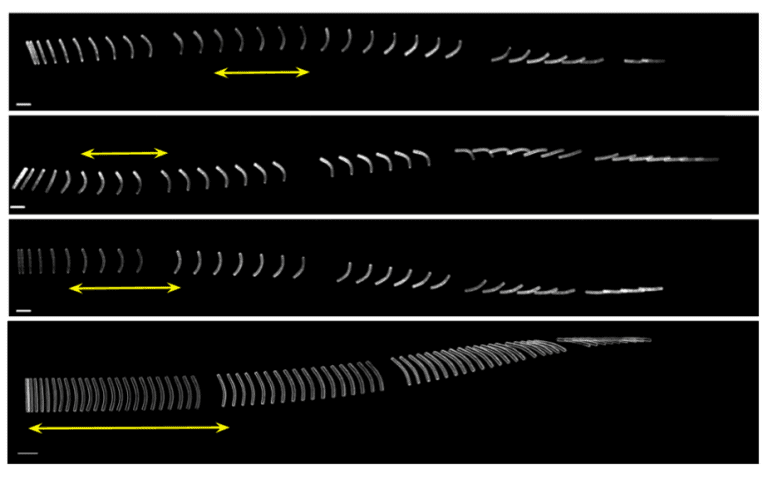
Confined particles in microfluidic devices: a review
Brief overview of the numerous advantages of confined particles like bubbles, droplets and fibers and how confinement can be used for various applications
 reviews
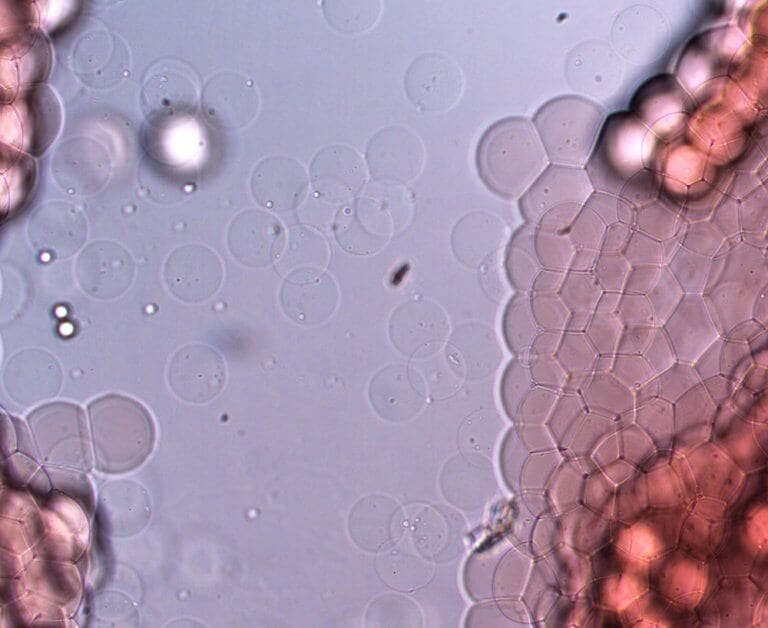
Droplet production methods
The review summarizes the various droplet production methods available from microfluidics to the more commun batch method.
 reviews
Sodium alginate and applications: a review
This review focuses on sodium alginate and its applications in microfluidics
-
 reviews
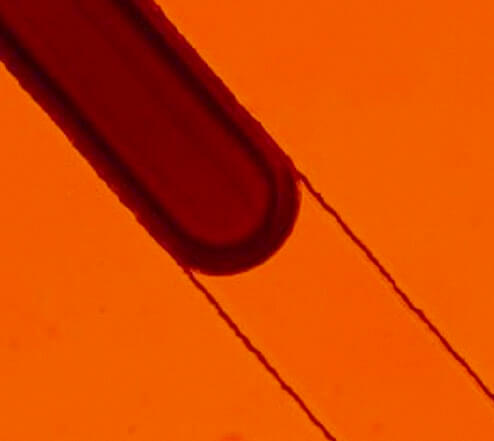
Digital microfluidics using pressure driven flow
Making droplets in a capillary or a microfluidic device is often met with two problems
 reviews
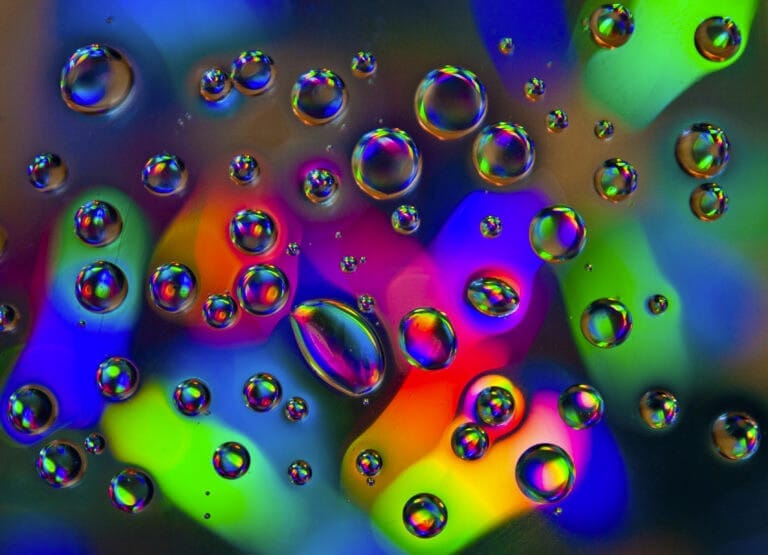
Digital microfluidics: microfluidic droplet and emulsion science
Microfluidic technologies offer an efficient means of producing highly uniform droplets and bubbles, and also a convenient mechanism for manipulating their downstream motion.
 reviews
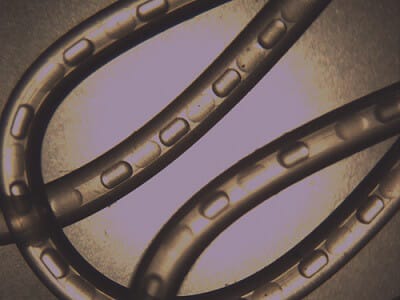
What is digital microfluidics?
Digital microfluidics is an alternative technology for microfluidic systems based on the design, composition and manipulation of discrete droplets and/or bubbles.
 reviews
Droplet-Sequencing (Drop-Seq)
Drop-Seq is a strategy based on the use of microfluidics for quickly profiling thousands of individual cells simultaneously by encapsulating them in tiny droplets for parallel analysis. This review presents the techniques and applications of Drop-Seq.
-
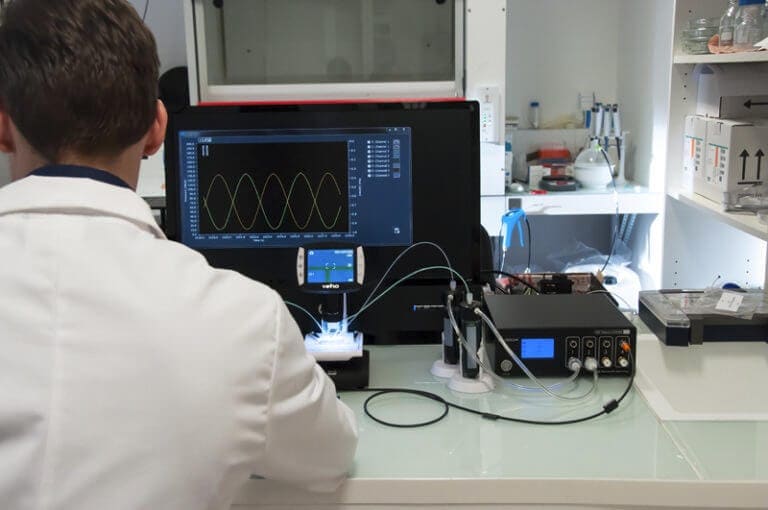 reviews
Researchers’ Insights on Droplet Generation in Microfluidics: Syringe Pumps vs. Pressure Control
Droplet generation in microfluidic, the aim of this technology is to create fluid-fluid dispersion into channels
 reviews
Generate droplets in a microfluidic capillary
It is possible to make droplets in a microfluidic capillary with commercial tools, especially chromatography tools. One can easily make droplets...
-
reviews
Liposome and Lipid Nanoparticle – An overview
This review gathers a collection of information regarding liposome and lipid nanoparticle from their use and applications to how to generate them by bulk
reviews
Confined particles in microfluidic devices: a review
Brief overview of the numerous advantages of confined particles like bubbles, droplets and fibers and how confinement can be used for various applications
-
reviews
Droplet production methods
The review summarizes the various droplet production methods available from microfluidics to the more commun batch method.
reviews
Sodium alginate and applications: a review
This review focuses on sodium alginate and its applications in microfluidics
-
reviews
Digital microfluidics using pressure driven flow
Making droplets in a capillary or a microfluidic device is often met with two problems
reviews
Digital microfluidics: microfluidic droplet and emulsion science
Microfluidic technologies offer an efficient means of producing highly uniform droplets and bubbles, and also a convenient mechanism for manipulating their downstream motion.
-
reviews
What is digital microfluidics?
Digital microfluidics is an alternative technology for microfluidic systems based on the design, composition and manipulation of discrete droplets and/or bubbles.
reviews
Droplet-Sequencing (Drop-Seq)
Drop-Seq is a strategy based on the use of microfluidics for quickly profiling thousands of individual cells simultaneously by encapsulating them in tiny droplets for parallel analysis. This review presents the techniques and applications of Drop-Seq.
-
reviews
Researchers’ Insights on Droplet Generation in Microfluidics: Syringe Pumps vs. Pressure Control
Droplet generation in microfluidic, the aim of this technology is to create fluid-fluid dispersion into channels
reviews
Generate droplets in a microfluidic capillary
It is possible to make droplets in a microfluidic capillary with commercial tools, especially chromatography tools. One can easily make droplets...
-
reviews
Liposome and Lipid Nanoparticle – An overview
This review gathers a collection of information regarding liposome and lipid nanoparticle from their use and applications to how to generate them by bulk
-
reviews
Confined particles in microfluidic devices: a review
Brief overview of the numerous advantages of confined particles like bubbles, droplets and fibers and how confinement can be used for various applications
-
reviews
Droplet production methods
The review summarizes the various droplet production methods available from microfluidics to the more commun batch method.
-
reviews
Sodium alginate and applications: a review
This review focuses on sodium alginate and its applications in microfluidics
-
reviews
Digital microfluidics using pressure driven flow
Making droplets in a capillary or a microfluidic device is often met with two problems
-
reviews
Digital microfluidics: microfluidic droplet and emulsion science
Microfluidic technologies offer an efficient means of producing highly uniform droplets and bubbles, and also a convenient mechanism for manipulating their downstream motion.
-
reviews
What is digital microfluidics?
Digital microfluidics is an alternative technology for microfluidic systems based on the design, composition and manipulation of discrete droplets and/or bubbles.
-
reviews
Droplet-Sequencing (Drop-Seq)
Drop-Seq is a strategy based on the use of microfluidics for quickly profiling thousands of individual cells simultaneously by encapsulating them in tiny droplets for parallel analysis. This review presents the techniques and applications of Drop-Seq.
-
reviews
Researchers’ Insights on Droplet Generation in Microfluidics: Syringe Pumps vs. Pressure Control
Droplet generation in microfluidic, the aim of this technology is to create fluid-fluid dispersion into channels
-
reviews
Generate droplets in a microfluidic capillary
It is possible to make droplets in a microfluidic capillary with commercial tools, especially chromatography tools. One can easily make droplets...

 Job
 Collaborations
 Customer
 Other