Microfluidic cell culture – a beginner friendly review
At a glance
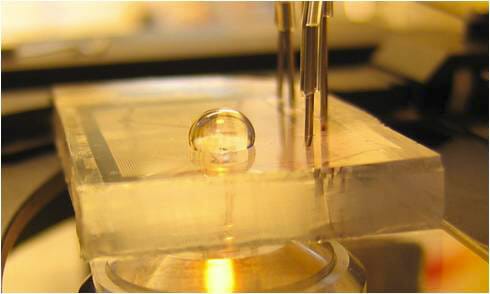
Microfluidic cell culture is a technique for the in-vitro modeling of interconnected organoids, sometimes called organs-on-chip. The technique offers high spatio-temporal control over the cellular microenvironment, and its environment is closer to natural tissue context, including shear stress and fluid flow. Microfluidic cell culture models tissue-tissue interfaces, physiological barriers, organ signaling and drug metabolism, and helps to understand pathologies.
- Chip types
- Flow experiments, serial co-culture, membrane-separated chambers, hollow fibers
- Material
- PDMS is commonly used; polystyrene and polylactic acid are attempted alternatives
- Challenges
- Air bubbles, leakage, large setup space
- Origins
- Microfluidics first appeared in the early 1980s




 Job
 Collaborations
 Customer
 Other